What Recovery Really Feels Like
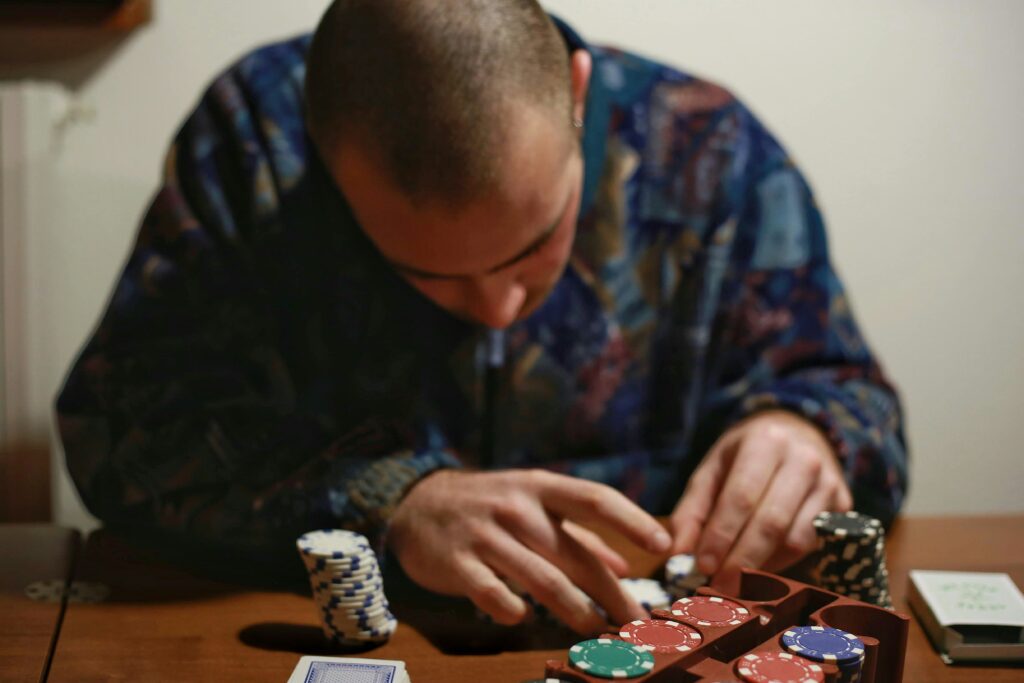
Recovery doesn’t feel heroic. Most days, it’s just quiet resistance. A constant mental back and forth: the itch to place a bet versus the voice telling you why you shouldn’t. That tug of war doesn’t disappear overnight. The urge still shows up in boredom, in stress, in silence. Especially in silence.
Then there’s the guilt. The shame that clings long after the last bet. It isn’t just about money lost it’s trust gone, time wasted, people hurt. Recovery means facing that without flinching. It means learning to sit with regret without letting it define you. And yes, chasing self worth becomes its own kind of addiction. You want to be better fast, prove to everyone (especially yourself) that you’re fixed. But you’re not. And you don’t have to be. Not right away.
Recovery isn’t linear. There are good weeks and bad hours. Sometimes you win the day. Sometimes you’re just hanging on until it ends. The trick isn’t perfection. It’s persistence. Getting honest, staying honest, and showing up again tomorrow even if last night wasn’t great. That’s where the real work happens.
Triggers That Still Exist
Triggers don’t always knock on the front door. Sometimes they slide in sideways subtle, ordinary moments that suddenly feel loud inside your head. The start of football season. A payday notification. A 10 second casino ad in the middle of a podcast. These aren’t just casual events for someone in gambling recovery they can hit like ghost punches, sudden, invisible, and hard to explain.
It’s not about willpower. It’s about conditioning. Your brain learned to link certain cues to the hunt for a high, to the sharp pull of risk and reward. So when payday hits, it’s not just about getting bills paid it’s a flashback to days where that cash went straight into the fire. When a game starts, it’s not nostalgia it’s a spotlight on every parlay that almost hit.
The trick is learning to see the ambush before it happens. Recovery means building a toolkit: checking in with yourself when familiar feelings creep in; avoiding known trigger spaces online; even muting keywords or deleting apps when necessary. Some people write it down what happened, what they felt, what they did about it. Others text a sponsor the moment a thought shows up.
It’s not about never getting triggered. It’s about breaking the loop before it turns into action. Awareness comes first. Then choice. Then progress.
Mindset Shifts That Make Healing Possible

Breaking free from gambling addiction isn’t just about stopping a behavior it’s about reshaping the way you think and relate to yourself and others. Recovery begins with powerful mental shifts that don’t happen all at once, but make all the difference over time.
From Secrecy to Honesty
One of the hardest but most important mindset changes is learning to tell the truth not just to others, but to yourself.
Hiding losses, lies, and habits is common in addiction
Openness feels risky but is essential for healing
Small acts of honesty, like telling someone you’re struggling, can build real momentum
Being honest doesn’t mean confessing everything to everyone it means dropping the facade and facing reality head on.
Rebuilding Trust: Internally and Externally
Once honesty starts to take hold, the next step is restoring trust in your judgment and with the people around you.
Trust is earned slowly, especially from loved ones
Self trust comes from consistency, not perfection
Keeping promises to yourself (even small ones) builds inner stability
Whether it’s showing up to a support group or simply sticking to a daily routine, trust deepens through repetition, not grand gestures.
Discipline as Self Respect
In gambling recovery, discipline gets redefined not as deprivation, but as a form of care.
Past cycles of chaos often stemmed from acting on every urge
Boundaries and routines aren’t restrictions they’re structure
Saying “no” to temptation becomes a way of saying “yes” to a better future
True discipline isn’t about punishing yourself it’s about deciding that you’re worth the effort it takes to stay on course.
These mindset shifts don’t happen overnight, but they form the mental foundation for sustainable recovery. When you start thinking differently, everything else begins to follow.
The Role of Accountability and Support
Recovering from a gambling addiction doesn’t happen in isolation. One of the most powerful tools in staying clean isn’t just willpower it’s structure, support, and accountability. This foundation helps rebuild trust and steers recovering addicts away from impulsive decisions.
Building Daily Routines That Support Recovery
A strong routine creates stability. It fills the mental and emotional space that addiction used to occupy.
Key daily habits that support recovery:
Morning check ins: Journaling or self reflection to assess emotional state and set intentions
Scheduled breaks: Mindful pauses during the day to reset and prevent emotional spikes
End of day reflections: Reviewing challenges, wins, and missed signals
Avoidance planning: Actively avoiding high risk environments (casino routes, betting apps, etc.)
These rituals help reduce uncertainty and keep triggers in check before they spiral into something harder to control.
Support Systems That Keep You Grounded
No matter how much progress someone has made, community remains a central pillar.
Support options that make a difference:
Peer groups: 12 step programs and small group meetings bring both accountability and empathy
Therapy: Professional guidance to navigate setbacks, trauma, and regaining self worth
Sponsor or accountability partner: Someone trusted who knows the journey and offers real time support
Making these resources a consistent part of life isn’t a sign of weakness it’s a sign of serious dedication to staying well.
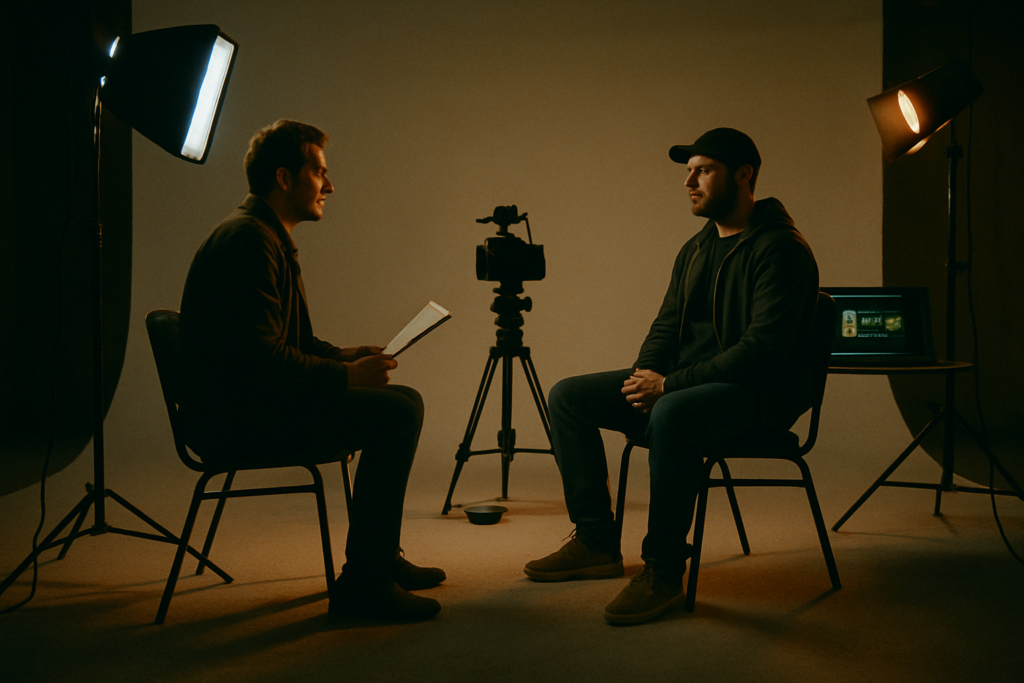
For a powerful firsthand perspective, see this interview with a responsible gambling advocate, where lived experience meets practical advice.
Choosing Purpose Over Patterns
Beating addiction isn’t the finish line. For some, it’s the starting point of something bigger. After the fog clears, a lot of recovering addicts realize they’re sitting on something valuable: experience, perspective, and a story that might steer someone else off the same cliff.
Turning personal struggle into service doesn’t mean becoming a saint overnight it’s about showing up, telling the truth, and letting others know they’re not alone. Whether it’s speaking at support groups, mentoring someone just starting their recovery, or starting a vlog that shares the raw, unfiltered ride talking can save lives.
A handful take it even further, stepping into roles as responsible gambling advocates. This can mean working with nonprofits, creating community resources, or pushing for better industry transparency. Every journey into advocacy starts the same way: one honest conversation, usually with someone who needed to hear it.
Becoming an advocate doesn’t require perfection just commitment. Tools, connections, and small platforms grow over time. The first step is deciding the struggle won’t stay quiet. For real life examples of what that can look like, check out this interview with a responsible gambling advocate.
Still a Work in Progress
Relapse doesn’t mean failure. It doesn’t erase the progress made or undo the work done. In real recovery, slip ups are unpacked, not buried. Most people assume it’s about stopping the behavior cold but healing isn’t binary. A relapse is data. It’s a clue that something deeper still needs attention: stress, loneliness, boredom, whatever cracks the door back open.
The key difference now is how it’s handled. Instead of hiding it, a recovering gambler brings it into the light through a call to a support group, a session with a therapist, or a fresh round of self checks. It’s not about shame; it’s about course correction. Accepting that you’re still learning makes future setbacks less destructive and more instructive.
Perfection isn’t the goal, sustainability is. That requires self compassion at every stage. Without it, guilt piles up and leads you right back to old habits. With it, you can own the hard days and still choose better ones ahead. Long term recovery runs on grace, not grit alone.
 Waynes Tyrrellers
Unique Author
Waynes Tyrrellers is Bet Wise Daily’s unique author, known for his distinctive approach to gambling content. With a flair for storytelling and a knack for uncovering hidden angles in the industry, Waynes brings a fresh perspective to the site. His articles often delve into the cultural and psychological aspects of gambling, offering readers a deeper understanding of the game's impact on individuals and society. Waynes’ creative and analytical skills set him apart, making his contributions both entertaining and enlightening.
Waynes Tyrrellers
Unique Author
Waynes Tyrrellers is Bet Wise Daily’s unique author, known for his distinctive approach to gambling content. With a flair for storytelling and a knack for uncovering hidden angles in the industry, Waynes brings a fresh perspective to the site. His articles often delve into the cultural and psychological aspects of gambling, offering readers a deeper understanding of the game's impact on individuals and society. Waynes’ creative and analytical skills set him apart, making his contributions both entertaining and enlightening.