
From Concept to Casino Floor
Every great slot game starts as a rough idea sometimes a theme, sometimes just a mechanic. Maybe it’s a Viking quest. Maybe it’s a twist on free spins. Developers pitch these early stage concepts in meetings that feel a lot like TV writers’ rooms: fast moving, ruthless, and packed with feedback. If the idea gets enough internal traction, it enters a refinement stage, where things get less abstract and much more mathematical.
At this point, there’s a balancing act. Creative direction matters you need a hook that catches the eye. But under the hood, probability and player data drive the real decisions. Will this game be high volatility or steady payout? What’s the target RTP (return to player rate)? How will features like multipliers or wild reels affect hold time or hit frequency? These are questions teams model using tons of historical player data and behavior trends.
A concept only moves forward after it checks three boxes: fun, feasible, and financially sound. Once greenlit, the idea is handed to designers, mathematicians, and developers to flesh it out into a playable prototype.
Want the full breakdown? The deeper dive lives here: slot game development.
Design That Hooks Without Cheating
Slot games grab attention fast and keep it using a heavy mix of psychology and design. Think color contrast, motion, and familiar sounds. Developers use these tools to guide emotion and pacing, not trick players. A rising tempo, subtle light changes, and upbeat sound effects are all crafted to signal momentum or reward. In small doses, it’s exciting. Used too much, it’s manipulative. That’s where good design draws the line.
Then there’s volatility and RTP (Return to Player). Volatility tells you how often and how big you might win. High volatility means fewer wins, but they hit harder. Low volatility offers steady, smaller wins. RTP is the percentage a game is expected to pay back over time say 96% of all wagers in the long run. Bonus features things like free spins or pick a box games play into these numbers. They help keep things fresh while sticking to the math.
But none of this works without responsibility baked in. Reputable developers monitor engagement and avoid dark patterns the kind that push players into chasing losses or playing longer than intended. Responsible gaming isn’t just a checkbox. It’s part of the dev process from the beginning, influencing how rewards are structured and when breaks should be encouraged. If a game is designed right, it’s fun, fair, and knows when to tell the player: take a breath.
The Tech Stack Behind the Spin

Most slot games you see today are built using a few key engines. Unity is a top choice it’s flexible, plays nice with multiple platforms, and has a deep library of visual tools. It allows studios to control animations down to a pixel. Then there’s Cocos2d x and Unreal Engine, both used for specific back end needs or bigger, more immersive games. Nothing flashy, just dependable frameworks powering high volume titles.
But the real heartbeat of every slot is the RNG Random Number Generator. That’s where all the game odds and outcomes get determined. Developers don’t just code up randomness and send it live. RNGs have to be audited, verified, and certified by third party labs. It’s rigorous and slow, but essential. This is how casinos and players know the results aren’t rigged.
Mobile is non negotiable now. Games are scaled and optimized for devices from budget Androids to high end iPhones. Responsive design, compressed assets, and light codebases matter. But so does compliance every country has its own technical rules. Developers often build one game, then tailor it ten different ways just to get legal green lights across the board.
It’s not glamorous, but it’s what keeps the reels spinning everywhere from Vegas lounges to someone’s couch in Berlin.
Real Talk: What Developers Actually Struggle With
How Long Does It Really Take to Build a Slot Game?
Creating a casino game isn’t an overnight process. While the casual observer might assume slot games are built quickly using templates, developers face a lengthy journey from idea to playable product.
Average timeline: 6 12 months per game
Initial phase: Concept development, math modeling, and technical planning
Mid phase: Asset creation art, audio, UI/UX and engine integration
Final phase: Testing (including regulatory checks), adjustments, and localization
Factors like team size, technical complexity, and feature ambition can stretch timelines even further.
Navigating the Regulatory Maze
Slot developers rarely create a single version of a game. Instead, they must adapt each release to the unique rules and compliance standards of dozens of jurisdictions worldwide.
Key challenges include:
Different approval processes: Some markets require manual certification; others mandate lab testing or third party audits
Game logic restrictions: Bonus triggers, max bets, and autoplay features can vary greatly by region
Data and privacy compliance: GDPR in Europe, state laws in the US, and other localized regulations add complexity
“Releasing a game in one country can feel like launching an entirely different product elsewhere.”
Trends Developers Don’t Love But Can’t Ignore
Like all entertainment industries, casino gaming follows trends but not all of them are developer favorites. Here are a few that bring more headaches than inspiration:
Overuse of branded IPs: Licensing deals with celebrities or franchises bring big interest but also creative limitations and legal constraints
Feature overload: Adding too many features to stand out in crowded markets has made some games harder to build, test, and balance
Super high volatility demands: Players chase big wins, pushing developers to prioritize risk heavy mechanics that compromise broader fun and playability
Despite personal preferences, developers must align with what the market demands even when trends complicate development or stray from ideal gameplay principles.
Future of Slots From Those Who Build Them
Skill based slots sounded like a revolution. Let players control outcomes, blend in arcade elements, and younger gamblers will come running right? Sort of. They got attention, but mass adoption hasn’t happened yet. Casinos still rely on simple games with predictable spins that don’t ask much of players. Still, you’re seeing hybrid models pop up: tap to win mini games, “beat the boss” challenges, or timed bonus rounds. Expect more of that, not full on skill lands.
Then there’s AI. Personalization is quietly becoming the real game changer. Developers can now tailor slot experiences based on play style betting patterns, volatility preference, even visual themes. It isn’t Minority Report level targeting yet, but it’s getting closer. Players might soon get “smart lobbies” that predict what they’ll enjoy next, kind of like a streaming queue but for reels.
Finally, storytelling. Enough players now want more than just symbols and spins. Studios are responding with characters, evolving plots, and worlds that unlock over time. Think battle passes meet slot mechanics. That creates more engagement, and frankly, gives devs something more fun to build.
Bottom line: the future’s a mix. Not everyone wants skill or story. But the industry is finally opening lanes for both.
Takeaway for Players and Industry Watchers
Flashy animations, huge bonus rounds, and branded themes might grab attention but they don’t guarantee fun. What really keeps players coming back are games that feel responsive, fair, and intentionally structured. A fun slot has rhythm. The pacing between wins, losses, and features creates tension and release in a way that feels earned, not random.
Well built games also show restraint. They don’t flood the screen with noise just to impress. Instead, they focus on intuitive design: clear payout structures, readable reels, and features that make sense. When you can tell what’s happening without sitting through a 60 second tutorial, that’s a sign the team behind the slot respected your time.
Quality matters under the hood, too. A stable game that loads quickly and doesn’t crash mid spin is basic, but not always a given. And if the volatility and RTP aren’t clearly disclosed or if the experience feels manipulative it’s worth walking away.
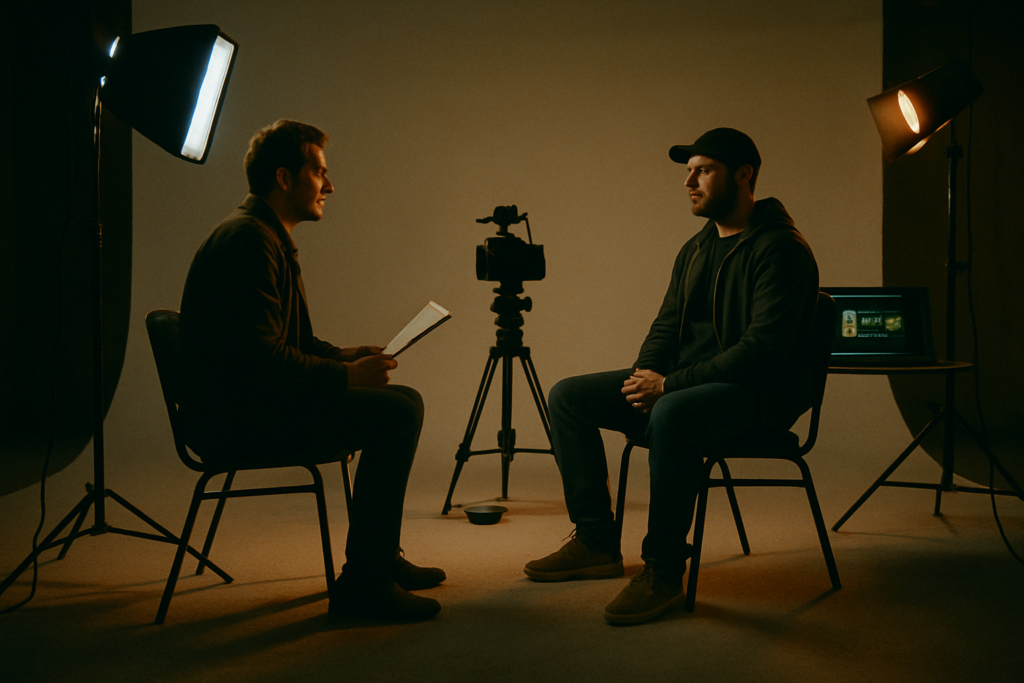
For a deeper dive into how slots are built from the ground up, check out our full interview on slot game development.
 Sienna Lyne
Author
Sienna Lyne is the talented author behind Bet Wise Daily's engaging and informative content. With a background in journalism and a keen interest in the gambling world, Sienna excels at crafting articles that are both insightful and accessible. Her work covers a wide range of topics, from the latest casino developments to in-depth features on gambling strategies. Sienna's meticulous research and sharp writing skills make her a valuable asset to the team, providing readers with trustworthy information and thought-provoking analysis.
Sienna Lyne
Author
Sienna Lyne is the talented author behind Bet Wise Daily's engaging and informative content. With a background in journalism and a keen interest in the gambling world, Sienna excels at crafting articles that are both insightful and accessible. Her work covers a wide range of topics, from the latest casino developments to in-depth features on gambling strategies. Sienna's meticulous research and sharp writing skills make her a valuable asset to the team, providing readers with trustworthy information and thought-provoking analysis.